
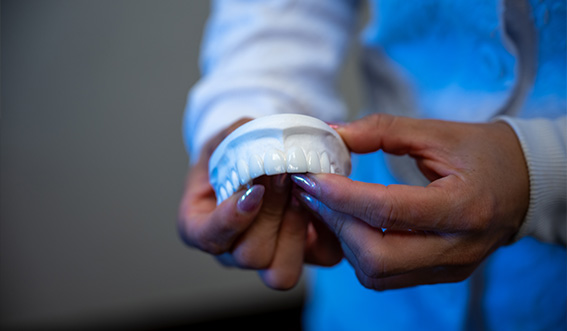
If it has been a while since your last dental appointment, you may wonder what actually happens during a routine dental check-up. Will you need X-rays? Will you get a cleaning? What if your dentist finds a cavity or another concern?
For many patients, a routine dental visit is straightforward and preventive. The goal is to check the health of your teeth and gums, identify potential concerns early, and help you maintain a healthy smile.
At High Country Dental in Rio Rancho, NM, routine exams and professional cleanings are an important part of preventive care. With modern technology, a comprehensive approach, and a team focused on patient comfort, your dental check-up is an opportunity to stay ahead of problems rather than wait until something hurts.
How Often Should You Have a Dental Check-Up?
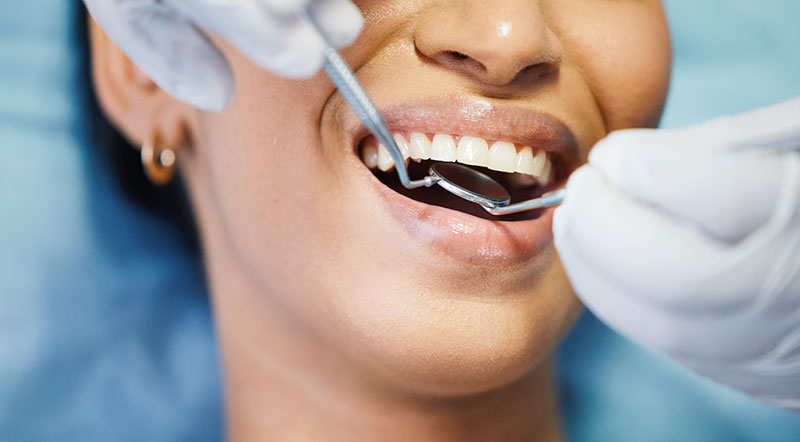 For many people, dental exams and cleanings are recommended about every six months. However, there isn’t a single schedule that works for every patient.
Some people may benefit from more frequent visits based on their oral health, history of gum disease, risk of cavities, age, medications, or other individual factors.
Your dentist can recommend an appointment schedule based on your specific needs. Staying consistent with preventive visits gives your dental team the opportunity to monitor changes over time and address concerns while they are often easier to treat.
What Happens During a Routine Dental Exam?
A routine check-up typically includes several steps. Your appointment may look a little different depending on your age, oral health, and any specific concerns you may have. A comprehensive preventive visit will likely include the following:
Your Dental Team Reviews Your Oral Health
Your preventive care appointment at High Country Dental may begin with questions about your current oral health and any changes you’ve noticed.
Be sure to mention symptoms such as:
- Tooth sensitivity
- Bleeding or swollen gums
- Tooth pain
- Changes in your bite
- Persistent bad breath
- Jaw discomfort
- A chipped or cracked tooth
- Any concerns about your smile
Even if a problem seems minor, letting your dental team know can help them determine whether further evaluation is needed.
Your Teeth and Gums Are Examined
Your dentist will examine your teeth and gums for signs of common oral health concerns, including tooth decay, gum disease, damaged teeth, worn enamel, and other abnormalities. Our team at High Country Dental may also evaluate your existing dental work, such as fillings, crowns, bridges, or other restorations, to make sure everything continues to function properly.
Regular examinations are valuable because some dental problems don’t cause noticeable symptoms in their early stages. A tooth can develop decay or a gum infection before you experience significant pain.
X-Rays May Be Recommended
Dental X-rays aren’t necessarily needed at every appointment. Your dentist will determine when imaging is appropriate based on your individual needs, dental history, age, symptoms, and risk factors.
At High Country Dental, digital X-rays can provide detailed images that help us identify concerns that may not be visible during a visual examination. X-rays can help your dentist evaluate areas such as the spaces between teeth, tooth roots, supporting bone, and other structures that aren’t easily seen during a routine exam.
Your Dentist May Use an Intraoral Camera
Technology can make it easier to understand what’s happening inside your mouth.
High Country Dental uses intraoral cameras to capture detailed images of your teeth and gums. These images can help you see what your dental team sees and make it easier to discuss areas of concern or recommended treatment.
Having a visual explanation can be particularly helpful when you’re deciding whether additional treatment is necessary.
What Happens During a Dental Cleaning?
A professional dental cleaning is another important part of routine preventive care. Even with excellent brushing and flossing at home, plaque can accumulate in areas that are difficult to clean. Over time, hardened plaque becomes tartar, which cannot be removed effectively with a toothbrush alone.
During a professional cleaning at High Country Dental, your dental hygienist removes plaque and tartar buildup and cleans the surfaces of your teeth. Your teeth may then be polished to help remove surface deposits and leave your smile feeling clean and smooth. Your hygienist may also discuss your brushing and flossing habits and offer recommendations based on what they see.
The type and frequency of professional cleaning you need depend on your oral health. Patients with healthy gums may need routine preventive cleanings, while patients with gum disease may require a different maintenance schedule or more specialized periodontal care.
What If My Dentist Finds a Problem?
One of the most useful parts of a routine check-up is catching potential problems early. If your dentist identifies an area that needs attention, it doesn’t necessarily mean you need extensive dental work. The recommended treatment depends on what was found, how advanced the problem is, and your overall oral health.
For example, additional treatment could include:
- A tooth-colored filling for a cavity
- A crown for a significantly damaged or weakened tooth
- Treatment for gum disease
- A dental implant or bridge to replace a missing tooth
- A nightguard for grinding or clenching
- Fluoride or other preventive treatment
- Treatment for a cracked or damaged tooth
Your dentist should explain what they found, why treatment is recommended, what your options are, and what may happen if the issue is left untreated.
Does Finding a Cavity Mean I Need a Filling Right Away?
Not every dental concern is handled in exactly the same way.
Depending on the location and severity of a problem, your dentist may recommend monitoring it, making a preventive change, or treating it. For a cavity that requires restoration, a filling may be recommended to remove the decay and restore the tooth.
The important part is identifying the problem and understanding your options.
When dental concerns are detected during routine visits, treatment can sometimes be simpler than it would be after the problem has progressed and caused pain or significant damage.
What If I Need More Extensive Dental Work?
A routine check-up can sometimes uncover a problem that requires treatment beyond a cleaning.
The good news is that finding a problem doesn’t mean everything has to be addressed during the same appointment. Your dental team can discuss your treatment needs and develop a plan based on your oral health, priorities, and schedule.
High Country Dental provides comprehensive dental care under one roof, including preventive, restorative, cosmetic, implant, and emergency services. This allows patients to receive many different types of care within the same practice.
Why Are Routine Dental Visits Important?
It’s easy to think of a dental appointment as simply a cleaning, but routine visits serve a much bigger purpose.
Regular dental care can help your dental team:
- Detect cavities early
- Monitor gum health
- Identify changes in existing restorations
- Check for signs of tooth wear or damage
- Evaluate your bite
- Perform oral cancer screenings
- Provide personalized preventive recommendations
- Address small concerns before they become more complicated
Preventive dentistry is about more than treating problems after they develop. It’s about maintaining your oral health over time.
What If I’m Nervous About Going to the Dentist?
If you’ve had an uncomfortable dental experience in the past, it’s completely reasonable to feel nervous about returning.
Let your dental team know about your concerns before or during your appointment. Knowing what to expect and having your questions answered can make the experience feel more manageable.
High Country Dental emphasizes a comfortable, welcoming experience and offers amenities designed with patient comfort in mind. The practice also offers sedation dentistry options for appropriate patients who need additional support during dental treatment.
What Should I Do Between Dental Check-Ups?
Routine dental visits are only one part of maintaining a healthy smile.
Between appointments, you can support your oral health by:
- Brushing twice a day with fluoride toothpaste
- Cleaning between your teeth every day
- Limiting frequent sugary snacks and drinks
- Wearing a mouthguard during sports
- Avoiding using your teeth to open packages or bite hard objects
- Following recommendations from your dental team
- Contacting your dentist if you notice a new or changing concern
And remember: you don’t have to wait for your next routine appointment if something feels wrong. Tooth pain, swelling, a broken tooth, bleeding gums, or another new symptom is a reason to contact your dental office.
What Should I Expect at My Next Check-Up?
A routine dental check-up is generally a combination of evaluation, prevention, and education.
Your dental team will assess your teeth and gums, perform recommended X-rays or other diagnostics when appropriate, complete your professional cleaning, and discuss anything that needs attention.
If everything looks healthy, that’s great news. You can continue your home care and return for your next recommended preventive visit.
If your dentist finds something that needs treatment, you’ll have the opportunity to learn what is happening and discuss your options before moving forward.
Keep Your Smile Healthy With Preventive Dental Care in Rio Rancho
Routine dental check-ups are one of the simplest ways to stay ahead of oral health problems. Even if your teeth feel fine, regular examinations can help identify concerns that may not yet be causing symptoms.
At High Country Dental in Rio Rancho, NM, preventive care combines comprehensive examinations, professional cleanings, modern digital technology, and personalized recommendations. Our skilled team provides dental care for patients of all ages and offers a wide range of services under one roof if additional treatment is needed.
If you’re due for a dental check-up, schedule your next visit with High Country Dental and take the next step toward maintaining a healthy smile.